exhibition paintings arcachdir – Art Exhibitions, Curation & Cultural Value Explained
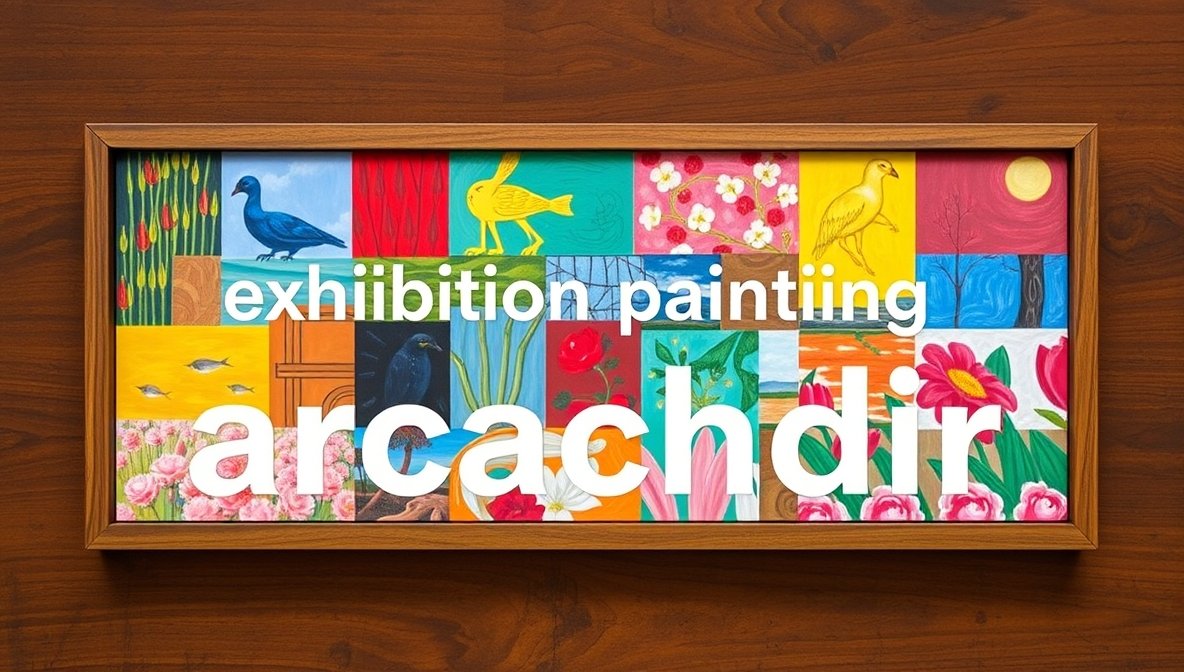
The world of visual arts has always been deeply connected to cultural expression, storytelling, and historical documentation. Among the most captivating forms of artistic presentation are curated exhibitions that bring together diverse works under a unified theme or concept. In many contemporary art discussions, the phrase exhibition paintings arcachdir is increasingly associated with structured displays that highlight both traditional and modern painting styles in gallery environments.
Art exhibitions are not merely about displaying paintings; they are immersive experiences designed to engage viewers emotionally and intellectually. Each piece contributes to a larger narrative, guiding visitors through visual journeys that reflect the artist’s vision, societal influences, and cultural context. Within this evolving landscape, exhibition paintings arcachdr represents a growing movement that emphasizes curated artistic storytelling through carefully selected collections.
The importance of such exhibitions lies in their ability to bridge the gap between artists and audiences. They create a shared space where interpretation becomes personal yet universally relatable. Whether hosted in large museums or intimate galleries, these exhibitions serve as platforms for dialogue, education, and appreciation of artistic diversity.
The Cultural Importance of Art Exhibitions
Art exhibitions have long played a crucial role in shaping cultural awareness and appreciation. They allow societies to preserve artistic heritage while simultaneously encouraging innovation. In this context, exhibition paintings arcachdir reflects a modern approach to showcasing artworks that blend historical influences with contemporary creativity.
These exhibitions often act as cultural mirrors, reflecting the values, struggles, and aspirations of the time in which they are created. Visitors are not just passive observers; they become active participants in interpreting meaning. This interaction between artwork and audience creates a dynamic cultural exchange.
Furthermore, exhibitions provide visibility to emerging artists who may otherwise struggle to find recognition. By placing their work alongside established names, curators create opportunities for dialogue between different artistic generations. This balance of tradition and innovation is central to the philosophy behind exhibition paintings arcachdr, where diversity of expression is celebrated. exhibition paint arcachdir
Historical Evolution of Painting Exhibitions
The history of painting exhibitions dates back centuries, evolving from royal collections and private salons to public museums and global art fairs. Early exhibitions were often exclusive, accessible only to elite audiences. Over time, however, art became more democratized, allowing broader participation and appreciation.
In modern times, curated exhibitions have become highly sophisticated, incorporating thematic storytelling, multimedia integration, and interactive installations. The concept of exhibition paintings arcachdir fits within this evolution by emphasizing curated coherence and artistic narrative.
Historically, exhibitions served as platforms for artistic movements such as Impressionism, Surrealism, and Modernism. Each movement gained recognition through collective displays that challenged traditional artistic norms. Today, exhibitions continue to push boundaries, exploring new materials, digital formats, and conceptual frameworks.
The Role of Curators in Artistic Presentation
Curators play a vital role in shaping the experience of art exhibitions. They are responsible for selecting artworks, organizing layouts, and creating thematic cohesion. Their decisions influence how audiences perceive and interpret the displayed pieces.
In the context of exhibition paintings arcachdir, curators act as storytellers who connect individual paintings into a unified narrative. They carefully consider color schemes, spatial arrangements, and emotional flow to ensure that each artwork complements the others.
A successful curation does not simply display art; it creates meaning. It guides viewers through a structured experience that enhances understanding and appreciation. Curators also collaborate with artists to ensure that their vision is accurately represented, maintaining authenticity while enhancing presentation.
Artists and Their Contribution to Exhibitions
Artists are at the heart of every exhibition. Their creativity, technique, and personal expression form the foundation of the entire experience. Without their contributions, exhibitions would lack depth and meaning.
Within exhibition paintings arcachdir, artists are often encouraged to explore thematic consistency while maintaining individual expression. This balance allows for a diverse yet unified display of artistic voices.
Many artists view exhibitions as opportunities to communicate with a wider audience. Their works often reflect personal experiences, social commentary, or abstract concepts. By participating in curated exhibitions, they gain exposure and contribute to the broader cultural dialogue.
Thematic Expression in Art Displays
Themes are essential in organizing art exhibitions. They provide structure and coherence, allowing viewers to connect different works under a shared concept. Themes can range from historical events to emotional states, environmental issues, or abstract ideas.
In the framework of exhibition paintings arcachdir, thematic expression is central to the curatorial process. Each exhibition is designed to evoke specific emotions or provoke thought through carefully selected artworks.
Themes also help guide the visitor’s journey through the exhibition space. They create a narrative flow that enhances engagement and understanding. Without thematic organization, exhibitions would lack direction and impact.
Visitor Experience and Engagement
The experience of visiting an art exhibition is both visual and emotional. Lighting, spacing, and presentation all contribute to how visitors perceive the artworks. A well-designed exhibition creates an immersive environment that encourages reflection and interaction.
In exhibition paintings arcachdir, visitor engagement is prioritized through thoughtful design and storytelling. Each section of the exhibition is arranged to guide visitors naturally from one piece to the next.
Interactive elements, such as guided tours or informational displays, further enhance the experience. These features allow visitors to gain deeper insights into the artworks and their meanings. The goal is not only to display art but to create memorable experiences.
Digital Transformation in Art Exhibitions
The digital age has significantly transformed how art exhibitions are organized and experienced. Virtual galleries, online previews, and digital archives have made art more accessible than ever before.
The concept of exhibition paintings arcachdir has also evolved with technology, incorporating digital tools to enhance curation and presentation. Artists and curators now use software to design layouts, simulate lighting, and even create virtual exhibitions.
This digital transformation has expanded the reach of art beyond physical spaces. Audiences from around the world can now experience exhibitions without geographical limitations. However, physical exhibitions still hold a unique value in terms of emotional and sensory engagement.
Market Value and Art Investment
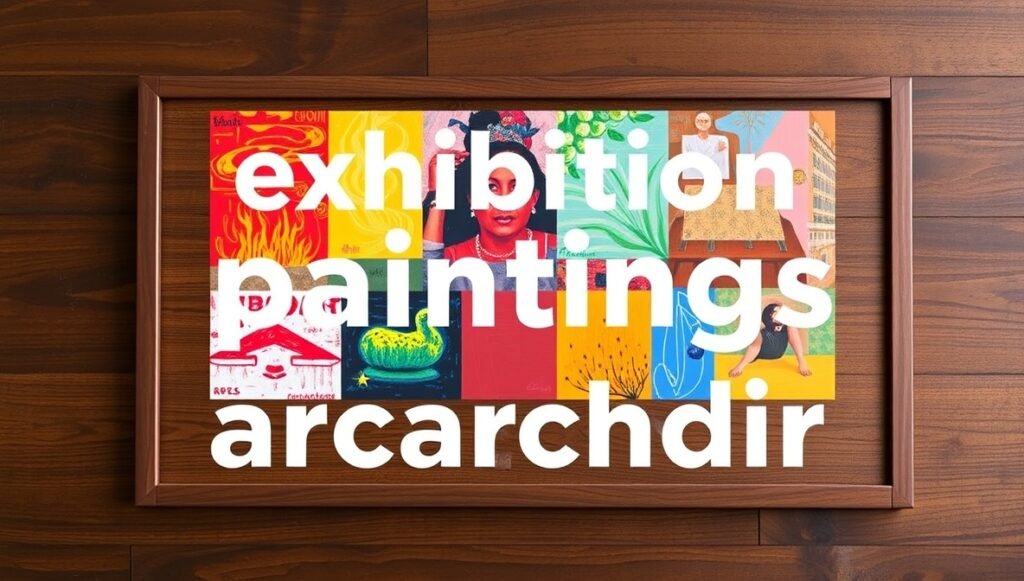
Art exhibitions also play a significant role in the art market. They influence the value of artworks and contribute to the reputation of artists. Collectors and investors often attend exhibitions to discover new talent and assess potential investments.
Within exhibition paintings arcachdir, market dynamics are closely linked to visibility and presentation. A well-curated exhibition can significantly enhance the perceived value of an artwork.
However, beyond financial considerations, exhibitions also emphasize cultural and emotional value. Art is not solely an investment; it is a reflection of human creativity and expression. Exhibitions help balance these perspectives by showcasing both commercial and artistic significance.
Preservation and Conservation of Artworks
Preserving artworks is essential for maintaining cultural heritage. Exhibitions must ensure that paintings are properly conserved to prevent damage caused by light, humidity, or handling.
In the context of exhibition paintings arcachdir, conservation practices are integrated into exhibition planning. Curators work closely with conservation experts to ensure that artworks remain in optimal condition throughout the display period.
Proper preservation techniques allow future generations to experience and appreciate historical and contemporary works. This responsibility highlights the importance of careful planning and professional expertise in exhibition management.
Conclusion
Art exhibitions remain one of the most powerful ways to connect people with creativity, culture, and history. They provide a structured yet flexible platform for artistic expression and audience engagement. Through thoughtful curation, thematic organization, and technological innovation, exhibitions continue to evolve and inspire.
The idea of exhibition paintings arcachdir represents a modern interpretation of how curated art displays can bring together diverse artistic voices under a unified vision. It emphasizes storytelling, cultural dialogue, and immersive experiences that go beyond simple observation.
As the art world continues to grow and adapt, exhibitions will remain essential in shaping how we understand and appreciate visual creativity. They serve as bridges between past and present, artist and audience, tradition and innovation, ensuring that art continues to thrive in meaningful and accessible ways.