galleries oil paintings arcachdir – Discover Regional Art, Collections, and Contemporary Oil Painting Exhibitions
Art has always been a reflection of human emotion, culture, and imagination. Among the many mediums that artists employ, oil painting holds a particularly esteemed position. Its rich texture, vibrant colors, and versatility allow for expressive depth that few other mediums can match. For art enthusiasts and collectors, discovering and appreciating such works often begins with specialized collections or spaces that focus on their display. The concept of galleries oil paintings arcachdir exemplifies this niche, combining the exhibition of fine oil paintings with a focus on the Arcachdir region’s unique artistic heritage. These galleries not only showcase creativity but also provide cultural context, historical continuity, and a platform for contemporary artists to share their vision.
The rise of regional art galleries has transformed how local and international audiences experience visual art. By creating dedicated spaces, curators ensure that works are presented with thoughtful lighting, interpretation, and thematic coherence. For collectors, galleries serve as trusted intermediaries, connecting them with original artworks while preserving authenticity and provenance. Exploring these spaces offers a glimpse into the interplay between artistic tradition and innovation, highlighting the role of oil painting as both an expressive and collectible medium.
Historical Significance of Oil Paintings
Oil painting as a technique dates back to the early Renaissance and reached prominence through masters such as Leonardo da Vinci, Rembrandt, and Van Gogh. The medium allows artists to achieve remarkable depth, blending colors seamlessly and creating textures that convey emotion and realism. Its slow drying time enables revisions and layering, facilitating intricate detail and subtle shading. This historical lineage has influenced generations of artists, establishing oil painting as a cornerstone of fine art.
In galleries that focus on galleries oil paintings arcachdir, historical significance is often a key part of the curation. Visitors encounter works that not only demonstrate technical mastery but also reflect the evolution of regional styles and artistic movements. By situating contemporary works alongside historical pieces, galleries provide a narrative thread that connects past and present, encouraging a deeper appreciation for the craft.
Regional Artistic Identity
Arcachdir, with its rich cultural history and scenic landscapes, has inspired numerous artists. The region’s unique light, architecture, and natural surroundings contribute to a distinct aesthetic sensibility that artists incorporate into their oil paintings. Galleries specializing in this area emphasize this regional identity, creating spaces where local heritage informs artistic expression.
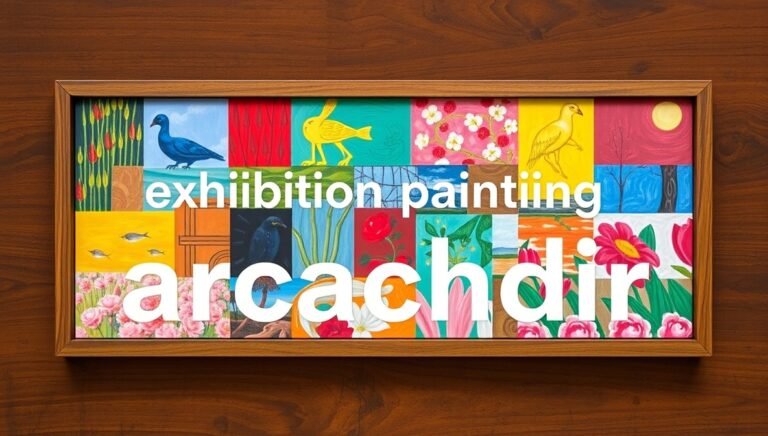
The role of galleries oil paintings arcachdir extends beyond display. They function as cultural repositories, preserving the artistic legacy of the region while providing opportunities for emerging artists. Through exhibitions, workshops, and community engagement, galleries foster an appreciation for the interplay between local tradition and contemporary creativity. This approach ensures that visitors experience not only the visual beauty of oil paintings but also the stories and context behind them. arcachdir exhibition paintings by arcyart
The Art of Curation
Curation in specialized galleries involves more than arranging paintings on walls. It encompasses careful consideration of themes, lighting, viewer flow, and interpretive materials. A successful exhibition balances aesthetic appeal with educational value, guiding viewers through a narrative that enhances their understanding and emotional engagement.
Within the framework of galleries oil paintings arcachdir, curators often emphasize thematic coherence. Works may be grouped by artist, period, style, or subject matter, allowing viewers to discern connections and contrasts. Lighting is tailored to highlight the texture and color depth unique to oil paint, while descriptive plaques and catalogs provide historical and technical context. Effective curation transforms a gallery from a passive display into an immersive educational experience.
Contemporary Oil Painting Techniques

Modern oil painters experiment with diverse techniques, expanding the possibilities of the medium. Techniques such as impasto, glazing, and alla prima enable artists to manipulate texture, light, and depth in innovative ways. Contemporary artists may blend traditional methods with mixed media, creating pieces that resonate with modern sensibilities while honoring classical foundations.
Galleries dedicated to galleries oil paintings arcachdir often showcase this blend of tradition and innovation. Visitors can witness how local artists interpret familiar landscapes, historical subjects, or abstract concepts through experimental techniques. This diversity enriches the gallery experience, demonstrating that oil painting remains a living, evolving art form rather than a static historical medium.
The Collector’s Perspective
For collectors, galleries serve as vital intermediaries in acquiring authentic works. Expertise in provenance, authenticity, and valuation is crucial when investing in original oil paintings. Galleries offer assurance in these areas, providing documentation and professional guidance.
Through galleries oil paintings arcachdir, collectors gain access to curated selections that meet both aesthetic and investment criteria. Knowledgeable staff can advise on conservation, framing, and long-term storage, ensuring that the artworks retain their value and integrity. This professional support transforms collecting from a casual pursuit into a disciplined and rewarding endeavor.
Conservation and Preservation
Oil paintings require careful maintenance to preserve their vibrancy and structural integrity. Environmental factors such as light, humidity, and temperature can impact the longevity of pigments and canvas. Galleries implement conservation strategies to protect artworks, including climate-controlled display areas, regular condition assessments, and protective framing.
Educational Programs and Public Engagement
Beyond exhibition, galleries play a crucial role in art education. Workshops, lectures, and interactive sessions introduce audiences to painting techniques, art history, and critical analysis. These programs foster a deeper connection between the public and the artworks, cultivating appreciation and inspiring future generations of artists.
Galleries aligned with galleries oil paintings arcachdir often develop targeted programs that highlight local traditions and contemporary practices. Participants might engage in painting demonstrations, restoration tutorials, or guided tours that explain stylistic nuances. This educational dimension transforms galleries into dynamic learning environments rather than passive exhibition spaces.
The Role of Digital Platforms
In today’s digital age, galleries extend their reach through online platforms. Virtual tours, high-resolution images, and digital catalogs allow audiences worldwide to experience collections remotely. Online visibility also supports marketing, audience engagement, and sales, bridging geographical limitations.
For galleries oil paintings arcachdir, digital integration ensures accessibility and continuity. Collectors, students, and art enthusiasts can explore exhibitions virtually, gaining insights into the regional art scene. Online presence complements physical displays, creating a hybrid model that combines tactile appreciation with digital convenience.
Supporting Emerging Artists
Galleries play a pivotal role in nurturing emerging talent. By providing exhibition space, mentorship, and exposure, they help new artists develop professionally. These opportunities are particularly valuable in regions like Arcachdir, where local culture informs unique artistic perspectives.
Through initiatives within galleries oil paintings arcachdir, emerging artists gain visibility among collectors and critics. Residency programs, collaborative exhibitions, and promotional campaigns encourage innovation while maintaining connection to the gallery’s artistic identity. Supporting new talent ensures the sustainability and evolution of the oil painting tradition in the region.
Art Market Dynamics
The art market is influenced by trends, collector preferences, and economic factors. Oil paintings remain a highly valued segment due to their historical significance, visual impact, and investment potential. Galleries act as intermediaries, facilitating transactions and maintaining market integrity.
In the sphere of galleries oil paintings arcachdir, market expertise is integrated into gallery operations. Pricing reflects both artistic merit and market demand, while transparency in sales fosters trust among buyers. Galleries also monitor trends, advising artists and collectors on emerging opportunities, thereby maintaining relevance in a competitive environment.
Cultural Tourism and Regional Identity
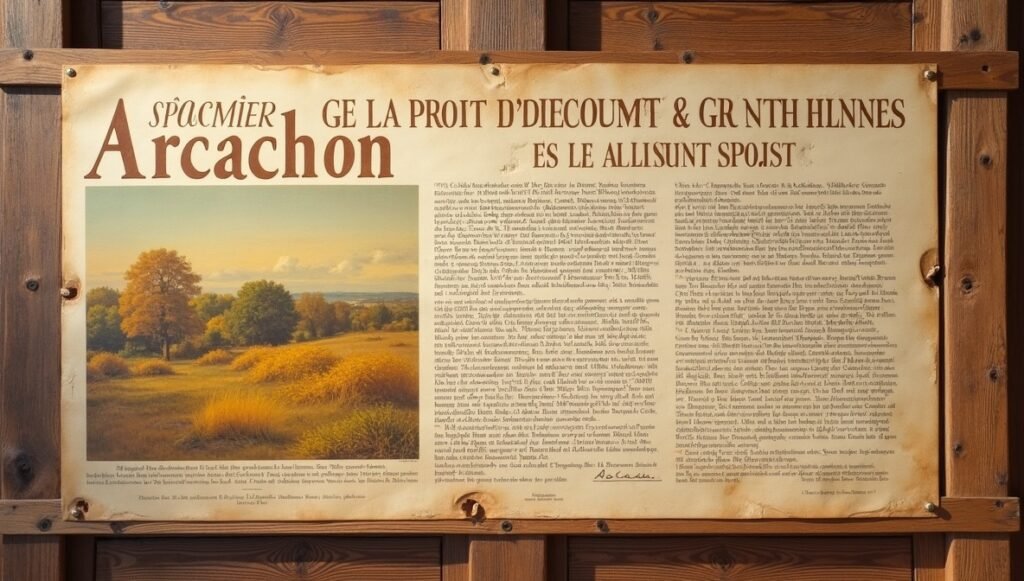
Art galleries contribute to cultural tourism by attracting visitors interested in visual heritage and creative expression. They promote regional identity, drawing attention to local landscapes, histories, and artistic communities. Arcachdir, with its distinctive environment, benefits from galleries that highlight local oil painting traditions.
By showcasing galleries oil paintings arcachdir, these spaces serve as cultural ambassadors. Visitors gain insight into regional aesthetics and historical context, enriching their understanding of the area. This cultural exchange enhances both tourism and community pride, reinforcing the social and economic value of galleries.
Exhibitions and Event Programming
Temporary exhibitions and special events create dynamic experiences that attract repeat visitors. Thematic shows, retrospectives, and collaborative projects allow galleries to refresh their offerings and engage diverse audiences. Event programming also provides marketing opportunities and media attention.
In galleries oil paintings arcachdir, exhibitions are carefully curated to highlight both established and emerging artists. Opening events, artist talks, and interactive workshops provide additional layers of engagement. These initiatives transform the gallery from a static space into a living cultural hub that responds to community interests and artistic developments.
Art Critique and Scholarship
Critical analysis and scholarship enhance understanding and appreciation of oil paintings. Reviews, essays, and academic studies provide context, interpretative frameworks, and technical insights. Galleries often facilitate these dialogues, hosting lectures, publications, and panel discussions.
By emphasizing galleries oil paintings arcachdir, institutions promote intellectual engagement alongside aesthetic enjoyment. Visitors and researchers gain access to expert interpretations, technical analyses, and historical research, fostering a deeper and more informed connection with the artworks.
Sustainability and Ethical Practices
Modern galleries increasingly focus on sustainability and ethical operations. Responsible sourcing of materials, energy-efficient facilities, and community-oriented practices reflect a commitment to social responsibility. These measures ensure that galleries contribute positively to both the environment and society.
In the context of galleries oil paintings arcachdir, sustainability practices include environmentally responsible framing, energy-conscious lighting, and support for local artists in ethical ways. This approach reinforces the gallery’s credibility and aligns cultural heritage with contemporary values of responsibility and stewardship.
Conclusion
Oil painting remains a timeless and expressive medium, bridging historical tradition with contemporary innovation. Galleries dedicated to showcasing these works provide not only exhibition space but also education, preservation, and community engagement. The model represented by galleries oil paintings arcachdir illustrates how specialized galleries enhance appreciation for local artistic heritage while integrating global standards of curation, conservation, and audience interaction.
Through careful curation, educational programming, digital integration, and support for emerging artists, these galleries ensure that oil painting remains a vibrant and relevant art form. Visitors and collectors benefit from immersive experiences, technical expertise, and access to authentic works, while artists gain platforms to develop and share their vision. Ultimately, galleries serve as vital cultural institutions that preserve, celebrate, and advance the expressive potential of oil paintings within the Arcachdir region and beyond, ensuring the continued resonance of this medium for future generations.