gallery paintings arcachdir – A Complete Guide to Artistic Heritage and Modern Gallery Culture
Art galleries have long served as cultural spaces where creativity, history, and expression come together. These environments allow artists to present their work to audiences while giving viewers the opportunity to explore different styles, techniques, and artistic philosophies. Throughout history, galleries have played an important role in shaping public appreciation for visual art.
In many artistic discussions, the phrase gallery paintings arcachdir is often associated with the broader concept of curated artworks that highlight both artistic heritage and contemporary creativity. Whether in small private spaces or large public museums, galleries act as bridges between artists and the public.
The purpose of a gallery is not only to display paintings but also to create an experience. Visitors walk through carefully arranged exhibitions that guide them through stories, emotions, and perspectives expressed through color, texture, and composition. Each painting becomes part of a larger narrative that reflects cultural influences and personal inspiration.
Today, the concept of galleries continues to evolve. Modern galleries combine traditional exhibition methods with digital technology, educational programs, and interactive experiences. These innovations make art more accessible and engaging for audiences around the world.
The Historical Evolution of Art Galleries
The history of art galleries can be traced back to early civilizations where rulers and collectors displayed artworks within palaces and temples. These early collections were often private and limited to elite audiences. Over time, however, societies began to recognize the cultural importance of making art accessible to the public.
During the Renaissance period, art gained greater recognition as a powerful form of human expression. Wealthy patrons supported artists and created spaces where paintings could be displayed and admired. These early exhibition spaces laid the foundation for modern gallery culture.
As the art world expanded, new institutions emerged that focused on preserving and showcasing artistic achievements. Museums and galleries began organizing exhibitions that highlighted different artistic movements and historical periods. Discussions around gallery paintings arcachdir frequently emphasize how curated collections can reflect both historical influences and evolving artistic trends.
In the nineteenth and twentieth centuries, galleries became more structured and professional. Curators, art critics, and collectors worked together to develop exhibitions that explored themes, techniques, and cultural narratives. This collaborative approach helped elevate galleries into respected cultural institutions.
Today, art galleries exist in cities, towns, and cultural centers across the globe. They serve as important spaces where creativity is celebrated and artistic dialogue continues to flourish.
The Role of Galleries in Artistic Expression
Galleries play a vital role in supporting artists and encouraging creative exploration. For many artists, exhibiting work in a gallery represents a significant milestone in their professional journey. Galleries provide visibility, credibility, and opportunities for artists to connect with collectors and audiences. exhibitions arcachdir
Artistic expression thrives when artists have spaces where their work can be appreciated and discussed. Exhibitions allow viewers to interpret artworks in their own ways, often sparking meaningful conversations about culture, identity, and human experience.
When people encounter exhibitions featuring gallery paintings arcachdir, they often discover how curated displays can reveal connections between different artistic styles and themes. A single exhibition might combine classical techniques with modern interpretations, highlighting the diversity of artistic voices.
Galleries also encourage experimentation. Many contemporary galleries host exhibitions that challenge traditional artistic boundaries, blending painting with multimedia elements, installations, and digital art. These creative explorations keep the art world dynamic and innovative.
Ultimately, galleries provide artists with the freedom to communicate ideas while offering audiences opportunities to experience art in thoughtful and inspiring ways.
The Importance of Curators in Art Galleries
Curators are essential figures within the gallery ecosystem. Their role involves selecting artworks, organizing exhibitions, and shaping the overall narrative of a gallery display. Through careful planning and research, curators ensure that each exhibition tells a compelling story.
A curator must understand both artistic technique and historical context. They analyze artworks in relation to cultural influences, artistic movements, and the personal journeys of the artists themselves. This knowledge helps them create exhibitions that engage and educate visitors.
When exhibitions include collections similar to gallery paintings arcachdir, curators focus on presenting artworks in ways that highlight their visual and conceptual significance. Lighting, spacing, and thematic organization all contribute to how viewers experience the exhibition.
Curators also collaborate with artists, collectors, and gallery staff to develop meaningful displays. Their work involves balancing artistic vision with practical considerations such as exhibition design, audience engagement, and educational programming.
In many ways, curators act as storytellers. Through their decisions and insights, they guide visitors through the world of art, helping them understand the deeper meanings behind each painting.
Artistic Techniques Found in Gallery Paintings
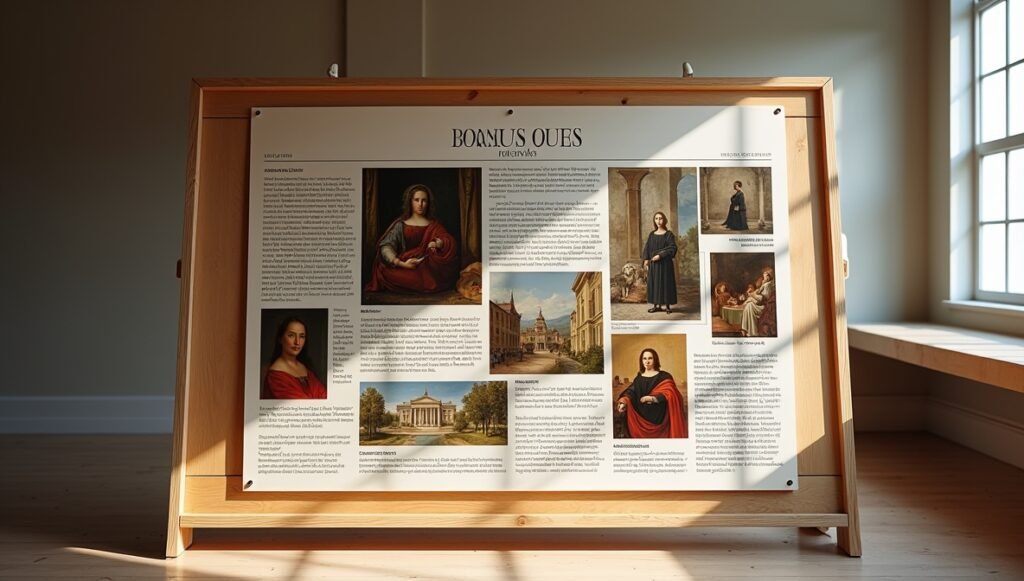
Paintings displayed in galleries often showcase a wide variety of artistic techniques. These techniques reflect the creativity and technical skills of artists while also revealing the influence of different artistic traditions.
Oil painting is one of the most widely used techniques in traditional gallery artworks. Artists use layers of oil-based pigments to create depth, texture, and vibrant color. This technique has been popular for centuries because of its durability and versatility.
Watercolor painting offers a lighter and more fluid style. Artists use diluted pigments to create transparent layers that capture delicate details and atmospheric effects. Watercolor works often appear in galleries as part of exhibitions focused on landscapes or nature themes.
Another technique commonly seen in exhibitions resembling gallery paintings arcachdir is acrylic painting. Acrylic paints dry quickly and allow artists to experiment with bold colors and modern compositions. This versatility makes acrylic a favorite medium for contemporary artists.
Mixed media techniques have also become increasingly popular. Artists combine traditional painting methods with materials such as collage, fabric, or digital elements. These innovative approaches expand the possibilities of artistic expression.
Through these diverse techniques, gallery paintings reveal the endless creativity that defines the art world.
Cultural Influence in Gallery Exhibitions
Art does not exist in isolation. Every painting reflects the cultural environment in which it was created. Artists draw inspiration from traditions, landscapes, social experiences, and personal identities.
Gallery exhibitions often highlight cultural influences by showcasing works from different regions and communities. These exhibitions encourage viewers to appreciate the diversity of artistic expression across the world.
Collections that feature gallery paintings arcachdir frequently demonstrate how cultural heritage can inspire contemporary creativity. Traditional motifs, historical narratives, and symbolic imagery appear in modern interpretations that connect past and present.
For visitors, experiencing art from different cultures can be both educational and inspiring. Paintings reveal stories about history, traditions, and societal changes. They allow viewers to explore perspectives that might be unfamiliar or thought-provoking.
Galleries therefore play an important role in preserving cultural heritage while also promoting cross-cultural understanding through artistic dialogue.
The Visitor Experience in Art Galleries
Walking into an art gallery can be a unique and enriching experience. The quiet atmosphere, thoughtful lighting, and carefully arranged artworks create an environment that encourages reflection and appreciation.
Visitors often begin their journey by observing paintings from a distance before moving closer to examine details such as brushstrokes, color blending, and composition. Each artwork invites viewers to interpret its meaning in their own way.
Exhibitions that include gallery paintings arcachdir are often designed to guide visitors through a thematic journey. Paintings may be arranged chronologically, stylistically, or conceptually to create a sense of narrative progression.
Educational programs and guided tours also enhance the visitor experience. Curators or educators explain the historical context and artistic techniques behind specific works. These insights help visitors develop a deeper understanding of the art they are viewing.
Interactive elements, such as workshops and lectures, further enrich the gallery experience. Visitors can learn about painting techniques, participate in discussions, and even create their own artwork inspired by the exhibitions.
The Relationship Between Artists and Collectors
Art collectors play a significant role in supporting the gallery ecosystem. By purchasing artworks, collectors provide financial support that allows artists to continue creating and experimenting.
Collectors often develop personal relationships with galleries and artists. They attend exhibitions, follow artistic developments, and contribute to the preservation of important artworks.
In exhibitions that highlight gallery paintings arcachdir, collectors may be drawn to pieces that reflect unique styles or cultural significance. These paintings can become valuable additions to private collections or public institutions.
Many collectors view art not only as an investment but also as a form of cultural stewardship. By acquiring and preserving artworks, they help ensure that artistic heritage remains accessible for future generations.
Galleries facilitate these relationships by connecting artists with collectors who appreciate their work. This collaboration supports both artistic creativity and the growth of the art market.
Modern Innovations in Gallery Presentation
The art world has embraced technological advancements that transform how galleries present exhibitions. Digital displays, virtual tours, and interactive installations have expanded the ways audiences can engage with art.
Virtual exhibitions allow people to explore galleries from anywhere in the world. These online experiences provide detailed images of paintings and interactive features that simulate walking through a physical gallery space.
Some galleries incorporate augmented reality technology that allows visitors to view additional information about artworks through mobile devices. These innovations create immersive learning opportunities.
Even traditional exhibitions featuring gallery paintings arcachdir can benefit from modern presentation techniques. Carefully designed lighting systems highlight colors and textures, while digital guides provide deeper insights into each artwork.
Technology also helps galleries reach broader audiences through social media and online platforms. By sharing images, interviews, and behind-the-scenes content, galleries create ongoing connections with art enthusiasts around the world.
The Educational Value of Art Galleries
Art galleries serve as important educational institutions. They provide opportunities for people of all ages to learn about art history, artistic techniques, and cultural expression.
Students often visit galleries as part of educational programs that introduce them to different artistic movements. Seeing paintings in person allows learners to appreciate details that cannot always be captured in textbooks or digital images.
Educational workshops and lectures help deepen understanding of artistic concepts. Artists and curators share insights about their creative processes, encouraging participants to explore their own creativity.
Discussions about gallery paintings arcachdir sometimes focus on how curated exhibitions can inspire both students and aspiring artists. Observing diverse painting styles encourages individuals to experiment with their own artistic ideas.
Through these educational initiatives, galleries nurture creativity and cultural awareness within communities.
Preservation and Conservation of Paintings
Preserving artworks is one of the most important responsibilities of galleries and museums. Paintings can be vulnerable to environmental factors such as humidity, light exposure, and temperature fluctuations.
Conservation experts use specialized techniques to protect artworks from damage and deterioration. These professionals carefully examine paintings to identify potential risks and implement preservation strategies.
For collections that include gallery paintings arcachdir, conservation efforts ensure that the visual qualities and historical value of the artworks remain intact. Restoration work may involve cleaning surfaces, repairing damaged areas, or stabilizing fragile materials.
Preservation also involves controlling environmental conditions within gallery spaces. Climate-controlled rooms and protective framing systems help maintain optimal conditions for displaying artworks.
By investing in conservation efforts, galleries ensure that future generations can continue to experience and learn from these valuable artistic creations.
The Future of Art Galleries
The future of art galleries is likely to be shaped by both technological innovation and evolving cultural trends. As audiences become more digitally connected, galleries must adapt to new forms of engagement and storytelling.
Hybrid exhibitions that combine physical and digital experiences are becoming increasingly popular. Visitors may explore paintings in person while also accessing additional content through digital platforms.
Artistic collaboration is another growing trend. Galleries are hosting joint exhibitions that bring together artists from different disciplines and cultural backgrounds. These collaborations encourage creative exchange and new perspectives.
In discussions about contemporary exhibitions, gallery paintings arcachdir is sometimes mentioned as an example of how curated collections can maintain artistic tradition while embracing modern ideas.
As the art world continues to evolve, galleries will remain essential spaces where creativity, culture, and innovation intersect.
Conclusion
Art galleries occupy a unique place in cultural life. They provide spaces where artists share their visions, audiences discover new perspectives, and communities engage with creativity. Through exhibitions, educational programs, and preservation efforts, galleries contribute significantly to cultural development.
Paintings displayed in galleries capture moments of inspiration and artistic dedication. Each artwork reflects the imagination and technical skill of its creator, offering viewers opportunities to explore beauty, emotion, and meaning.
Within the broader artistic landscape, collections associated with gallery paintings arcachdir represent the enduring power of curated exhibitions. By bringing together diverse artistic voices, galleries create environments where creativity thrives and cultural heritage is celebrated.